
 By
By 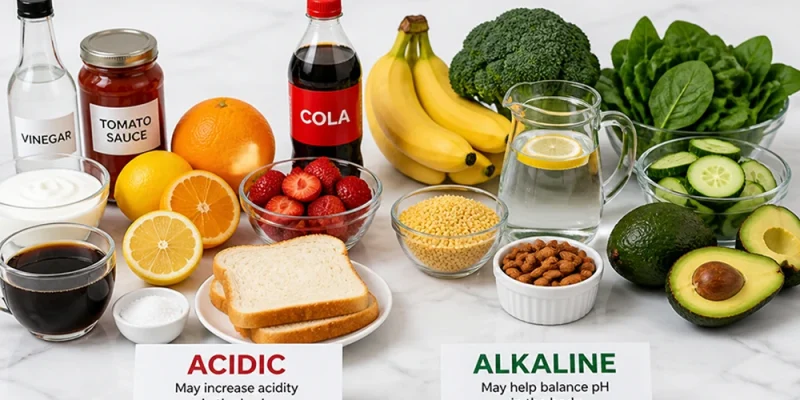
Key Highlights
- Acids and bases are present in many everyday products and natural processes.
- Their properties influence cleaning, food preparation, and healthcare.
- Understanding acids and bases helps students connect chemistry to real life.
- Acid-base reactions play an important role in industrial and environmental applications.
- Studying these concepts builds a stronger foundation for advanced chemistry topics.
Introduction
Acids and bases are among the most important concepts introduced in chemistry. While students often encounter them through laboratory experiments and examination questions, their influence extends far beyond the classroom. Many products and processes that people interact with daily depend on the unique properties of acidic and alkaline substances.
From food preparation to environmental management, acids and bases contribute to a wide range of activities. Students attending JC chemistry tuition often discover that these concepts provide valuable insight into both natural and industrial systems. Exploring their everyday applications can make the subject more engaging and easier to appreciate.
Acids and Bases in Food and Beverages
Many foods and drinks contain naturally occurring acids that influence flavour, preservation, and texture. Citrus fruits contain citric acid, while vinegar contains acetic acid. These substances contribute to the distinctive tastes that people associate with many common ingredients and recipes.
Acids also play an important role in food preparation. Certain baking processes rely on acid-base reactions to produce carbon dioxide gas, helping baked goods achieve a lighter texture. Fermentation processes similarly involve chemical changes that influence flavour and food quality.
When connecting these classroom concepts to familiar everyday experiences, dedicated chemistry tuition programs introduce practical food-related examples. Relating scientific theory to daily life helps reinforce learning while demonstrating the massive relevance of chemical reactions.
Their Importance in Cleaning and Household Products
Many household cleaning products depend on acidic or alkaline properties to remove stains, grease, and unwanted deposits. Acidic cleaners are often effective at dissolving mineral build-up, while alkaline cleaners help break down oils and organic residues.
The effectiveness of these products depends on chemical interactions between cleaning agents and the substances being removed. Manufacturers carefully select ingredients based on their ability to achieve specific cleaning outcomes without damaging surfaces.
When exploring the complex molecular interactions behind these common household cleaners, JC chemistry tuition lessons examine acid-base neutralisation reactions. Understanding these principles allows students to develop a deeper appreciation for the sciences supporting products used at home.
The Role of Acids and Bases in the Human Body
Acid-base chemistry is essential for maintaining many biological processes. The human body carefully regulates pH levels to ensure that enzymes, organs, and cells function efficiently. Even small changes in pH can affect important physiological activities.
The digestive system provides a well-known example. Stomach acid helps break down food and supports digestion by creating conditions suitable for digestive enzymes. At the same time, the body employs protective mechanisms to prevent excessive acidity from damaging tissues.
By examining how physiological buffer systems maintain precise internal balance, secondary chemistry tuition courses help students appreciate biological chemical applications. Concepts that appear abstract in textbooks become much more meaningful when linked directly to active physical processes.
Industrial and Environmental Applications
Acids and bases play significant roles in manufacturing, agriculture, and environmental protection. Industries use them in processes ranging from metal treatment and chemical production to water purification and waste management. Their controlled use supports efficiency and product quality across many sectors.
Environmental applications are equally important. Scientists monitor and manage pH levels in water systems to protect aquatic ecosystems. Agricultural practices may also involve adjusting soil conditions to improve crop growth and nutrient availability.
Because these complex large-scale processes are vital for sustainable modern manufacturing, advanced JC chemistry tuition modules analyze industrial neutralization techniques. By examining practical environmental data, students gain a broader understanding of global technological development.
Conclusion
Acids and bases influence countless aspects of everyday life, from the foods people eat to the products they use and the biological processes that keep them healthy. Their importance extends into industry, agriculture, and environmental management, making them one of the most widely applicable topics in chemistry. Exploring these real-world connections helps students appreciate the value of acid-base chemistry and strengthens their understanding of key scientific principles.
Contact Focus Chemistry to secure immediate academic support before demanding molecular structure topics cause unnecessary confusion during major school assessments.











Comments