
 By
By 
Key Takeaways
- Waiting lists are a common part of the admission process for many international schools.
- Early planning and prompt communication can improve a family’s chances of securing a place.
- Understanding admission timelines helps reduce uncertainty and stress.
- Choosing a school with a transparent and supportive admissions process can make a significant difference.
Introduction
For many families relocating to Singapore or seeking a new educational environment, securing a place at an international school can feel like a race against time. Demand for quality schools often exceeds the number of available places, which means waiting lists have become a familiar part of the admission journey.
While being placed on a waiting list may seem discouraging at first, it does not necessarily mean a child’s application has reached a dead end. Places can become available throughout the year as family circumstances change, relocations are delayed, or enrolment plans shift. Understanding how waiting lists work can help parents approach the process with greater confidence and less anxiety.
When exploring options for international school admission in Singapore, preparation and patience often go hand in hand.
Why Waiting Lists Are More Common Than Many Parents Expect
Singapore remains one of the world’s leading education hubs, attracting families from diverse backgrounds. As a result, many sought-after schools experience strong demand across multiple year levels.
Interestingly, waiting lists are not always a sign that a school is overcrowded. Sometimes they reflect careful enrolment management. Schools may limit class sizes to maintain teaching quality, student engagement, and individual attention. In many ways, it is similar to reserving a table at a popular restaurant. The demand is high because people value the experience.
Families pursuing international school admission often discover that certain year groups are more competitive than others. Entry points such as Kindergarten, Primary 1, and secondary transition years may have longer waiting periods due to increased demand.
Understanding this reality early allows parents to plan more effectively and maintain realistic expectations throughout the process.
What Parents Can Do While Waiting
Being placed on a waiting list does not mean becoming passive. There are several practical steps families can take while awaiting a decision.
Maintaining regular but respectful communication with the admissions team can be helpful. Schools appreciate parents who remain engaged without becoming overly persistent. Updating the school about significant changes, such as relocation dates or new academic achievements, may also strengthen an application profile.
It is equally important to keep alternative options available. Having a backup plan reduces pressure and ensures educational continuity if a preferred place does not become available immediately.
Parents should also prepare all required documentation promptly. Missing records or incomplete submissions can sometimes slow down an application’s progress. Keeping paperwork organised helps schools process applications efficiently when vacancies arise.
A reputable international school in Singapore will typically provide clear guidance on admissions requirements and timelines, helping families stay informed during the waiting period.
Choosing A School With A Supportive Admissions Process
The admissions experience often reflects a school’s broader culture. Transparent communication, responsive staff, and straightforward procedures can make a significant difference when families are navigating uncertainty.
The Grange Institution understands that moving through an admissions process can feel overwhelming, particularly for families relocating internationally. The school’s admissions team guides the journey, helping parents understand requirements, timelines, and available pathways.
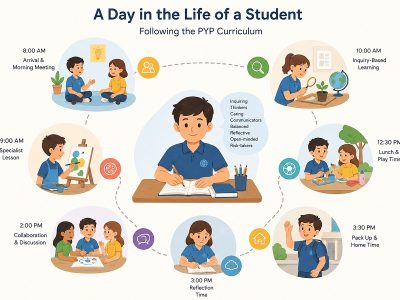
Beyond admissions support, The Grange Institution offers a learner-centred environment that focuses on inquiry-based education, global citizenship, and holistic development. Small class sizes and personalised attention create meaningful learning experiences while supporting each child’s academic and personal growth.
For families searching for an international school, finding a school that combines quality education with a welcoming admissions experience can make the transition much smoother.
Conclusion
Waiting lists are often an unavoidable part of the international school admissions landscape, but they should not be viewed as a setback. With careful planning, organised documentation, and ongoing communication, families can navigate the process more effectively and remain prepared for opportunities as they arise.
The key is to stay informed, remain flexible, and work with schools that value transparency and family support. A thoughtful admissions journey not only helps secure a school place but also lays the foundation for a positive educational experience.
Contact The Grange Institution to learn more about its admissions process and educational programmes.









Comments